
Field Notes · 003
How we blend our teas
13 September 2026 · Keika Sugiyama
I’ve had a ton of people ask me how we blend our teas. Where do I start, and whether there are any rules or principles that apply to each blend.
The short answer is: I go off of vibes. It’s not like I went to a tea blending school…though maybe I should. Surely it would help me become more structured. I experiment as I go.
The long answer is: I try not to make my blends too complicated. I try to keep to 2 ingredients – no more than 3. Anything more than that just reminds me of complicated blends from traditional tea brands where I have no idea whether an ingredient even adds anything. I also don’t add any additives or flavorings to artificially boost a certain smell, like countless other tea brands do. I keep it au naturel. I believe in honest materials, whether it be furniture or tea. That’s pretty much my only principle.
Other than that, I start with a base tea – say persimmon leaf. Since the whole point of Teasan is to educate and let people experience all these different Japanese caffeine-free teas, I don’t want to mask the natural notes of the base tea. Persimmon leaf tea on its own, at least the one I sourced, is incredibly unique and feels like a combination of thick honey, peppercorns, and aluminium. But it’s missing the fruitiness that you would expect from the name. So I thought that perhaps adding yuzu, a bright and slightly bitter Japanese citrus, would be a good idea to lift up the whole palate a bit more. So then I experimented with different types of yuzu, adjusted the ratios, and I landed with my current signature blend of Yuzu Persimmon Leaf tea.
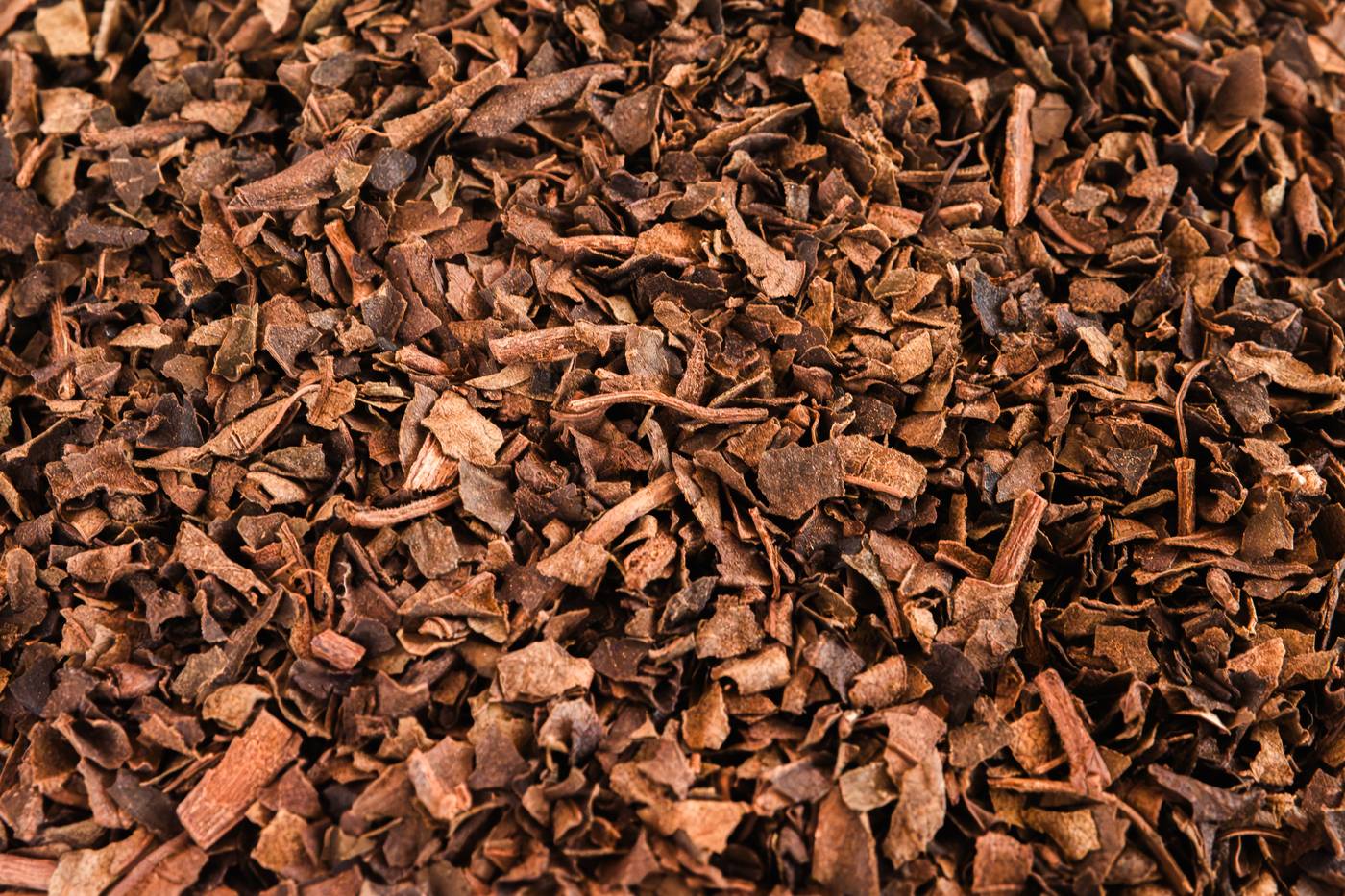
This past week I felt ready to add some more variety to the mix, so I experimented with some new blends with my other bases. I must’ve tried like 80 different combinations with various ingredients before I landed on something that I was quite happy with.
Meet: Osmanthus Barley, and Strawberry Red Bean.
Osmanthus Barley is a sexy, sultry take on the otherwise very simple barley tea. I call it “cigarettes after sex.” And Strawberry Red Bean reminds me of a Pinot Noir. Something I’d drink on a chill evening. Perhaps a boardgame night with friends.
If you’re keen to be one of my earliest testers, it’s now available through the pre-order page.
Pre-order new blendsHeads up: it’s Singapore-only for now.
I hope you will love these teas as much as I do, but I’d love to hear your unfiltered honest thoughts.
Keika
Founder of Teasan
Get Field Notes by email
Every entry in your inbox, plus first access when we launch. Nothing else.
You are on the list. Thank you.
More Field Notes
Comments
No comments yet. Be the first.
Leave a comment
Thank you. Your comment is up.
Posting also signs you up for Field Notes by email.